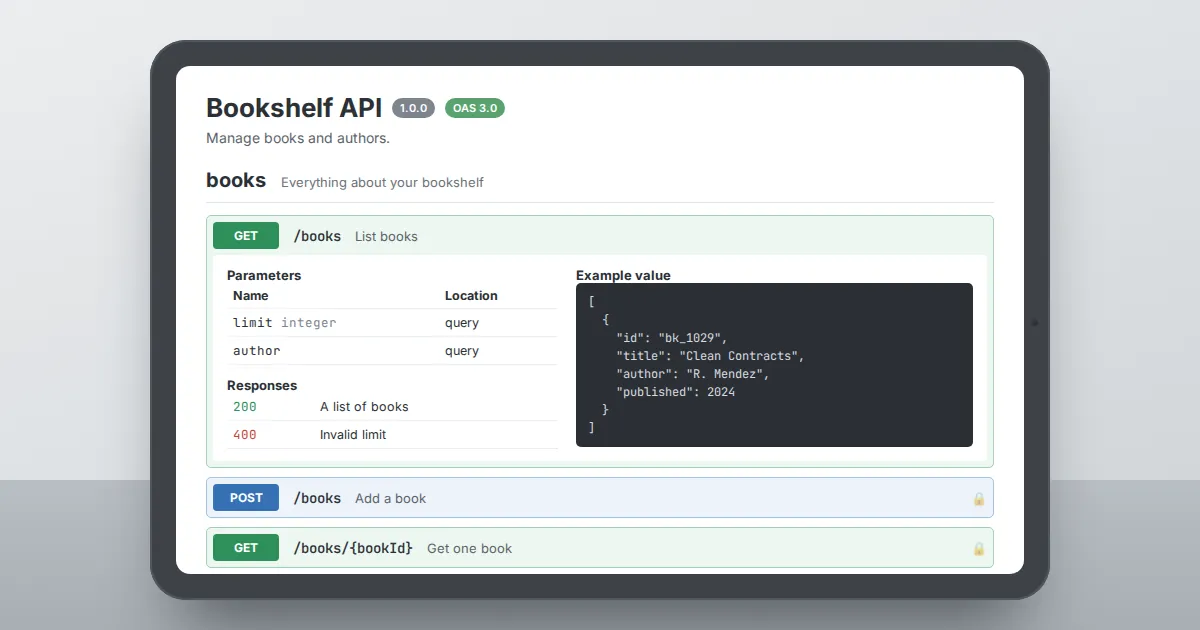
What Is Swagger Editor and Why API Teams Use It
A plain-language look at the browser-based OpenAPI editor: what it does, who it is for and where it fits in an API workflow.
Read fullNine hands-on tutorials that take you from installing Swagger Editor to shipping a clean, secure, code-ready OpenAPI description.
A plain-language look at the browser-based OpenAPI editor: what it does, who it is for and where it fits in an API workflow.
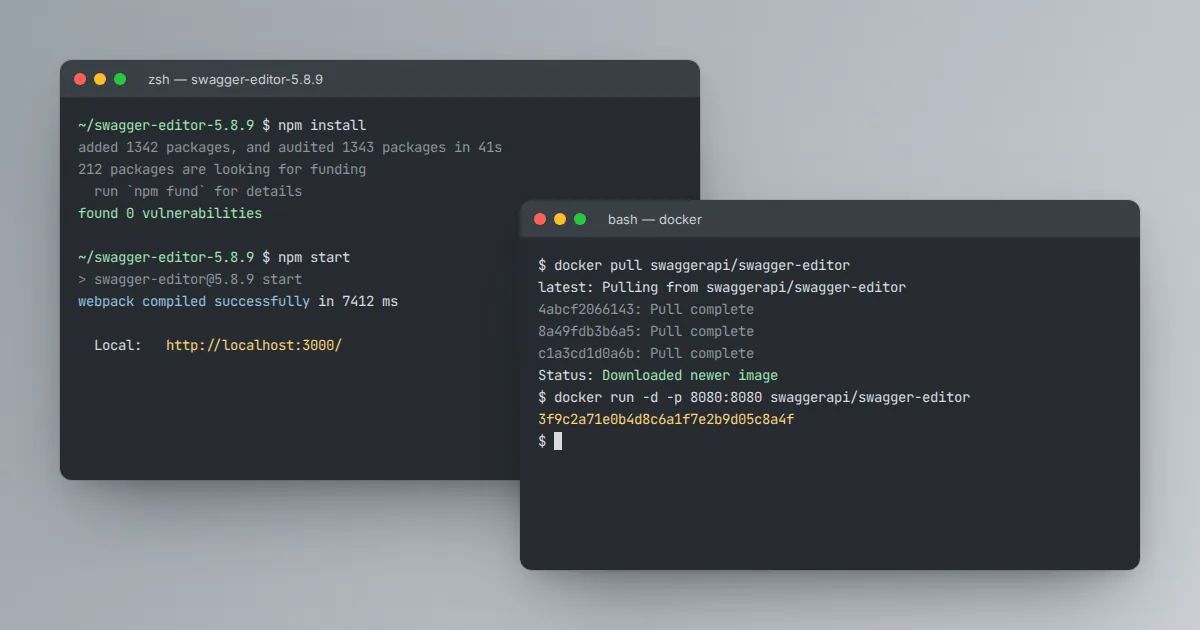
Read fullThree reliable ways to run the editor on your own machine, with the commands you need and fixes for the usual snags.
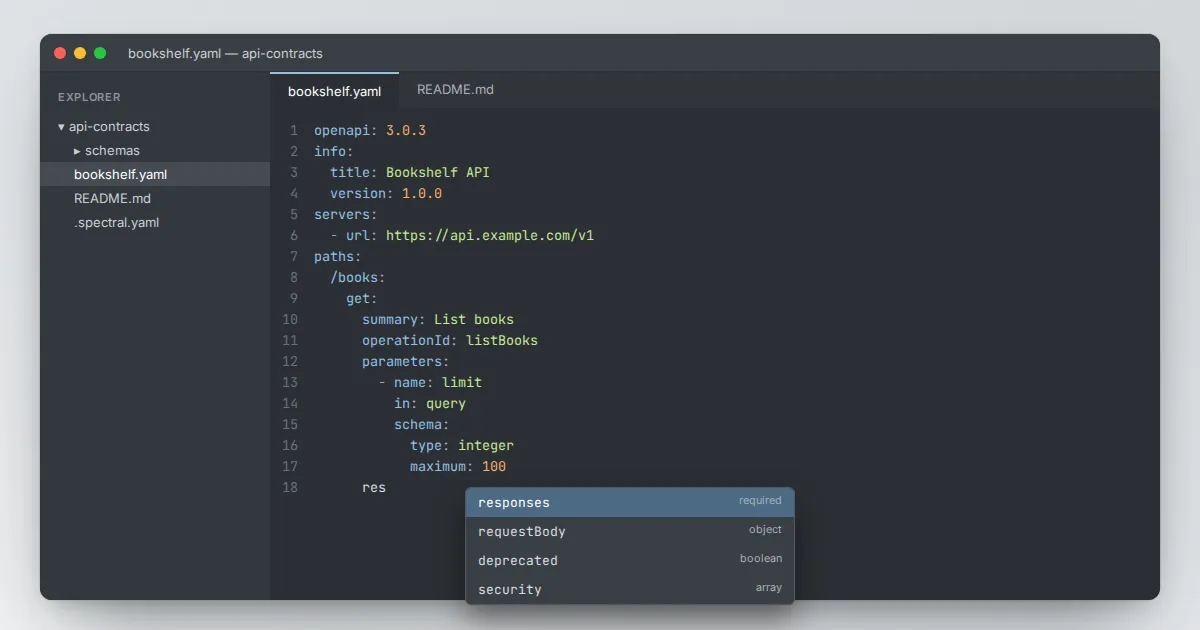
Read fullStart from an empty file and build a small but complete API description, one block at a time, with the preview updating as you go.
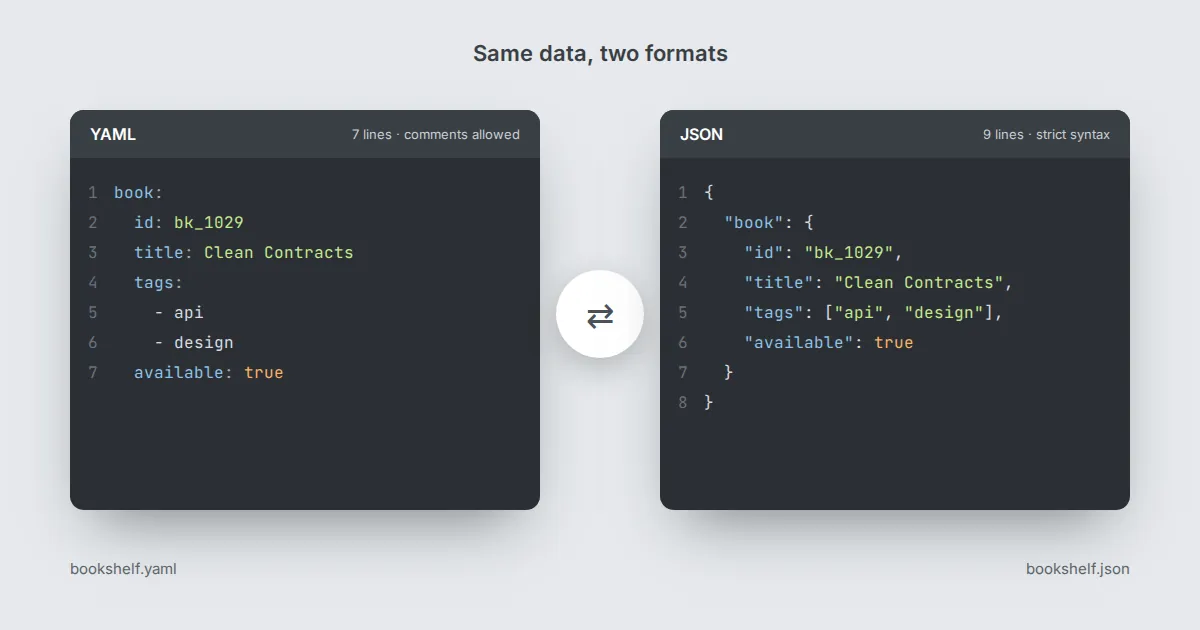
Read fullBoth formats describe the same API. Here is how to pick one, and how to convert between them without breaking anything.
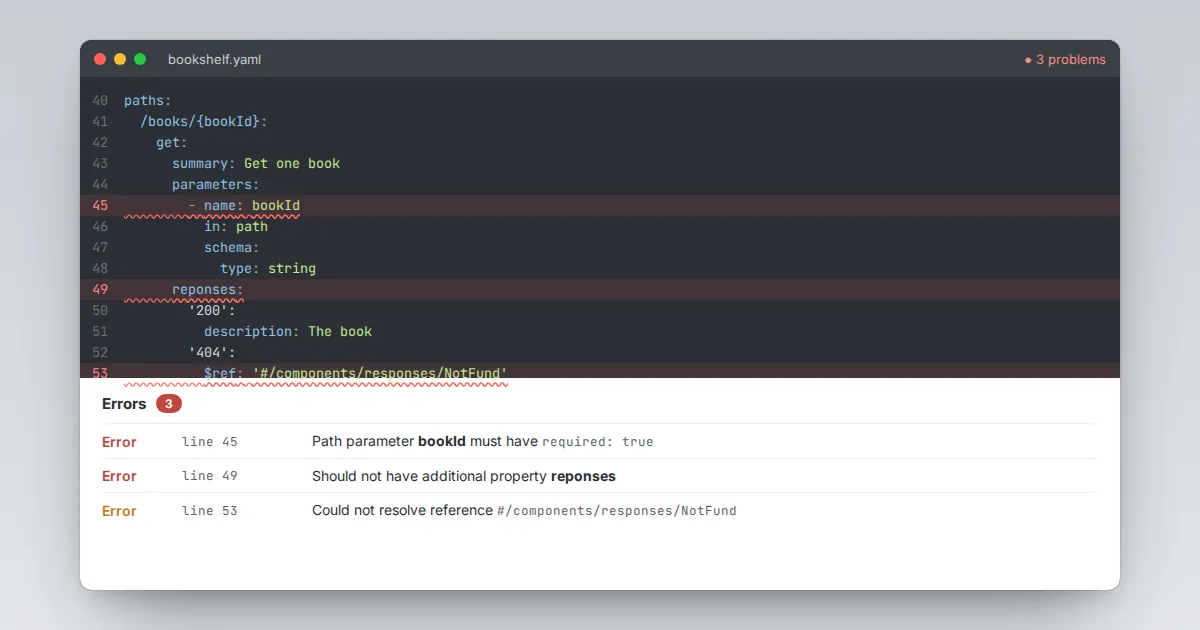
Read fullThe error panel is your best friend once you can read it. These are the messages you will meet most often and how to clear them.
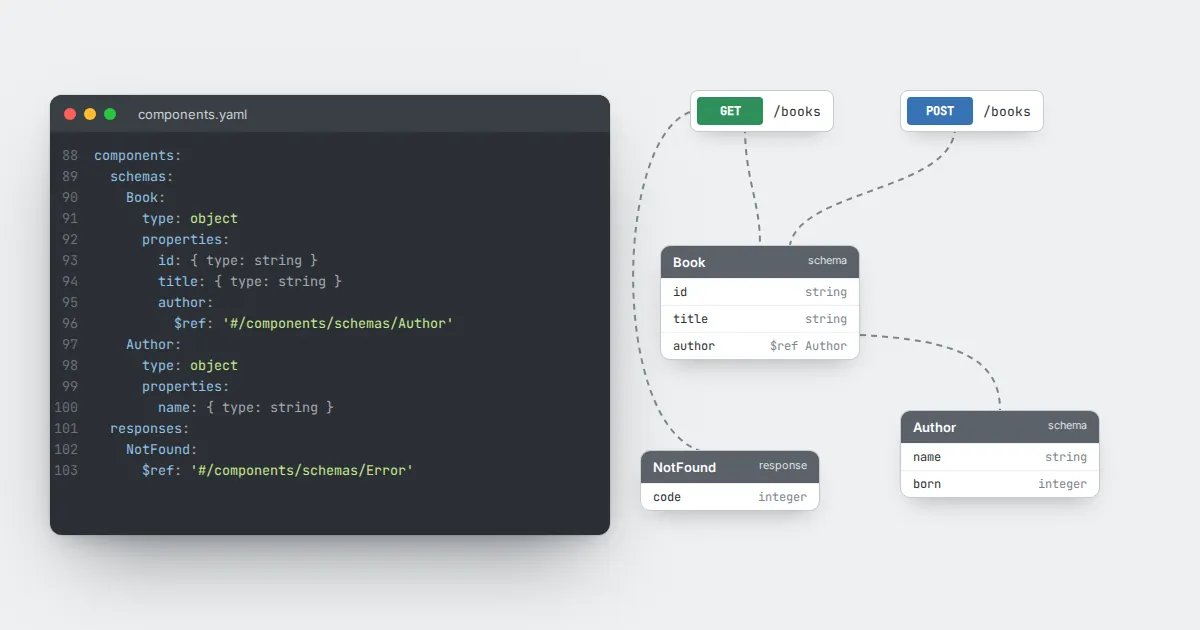
Read fullMove repeated schemas, parameters and responses into one place and reference them everywhere. Your file gets shorter and safer.
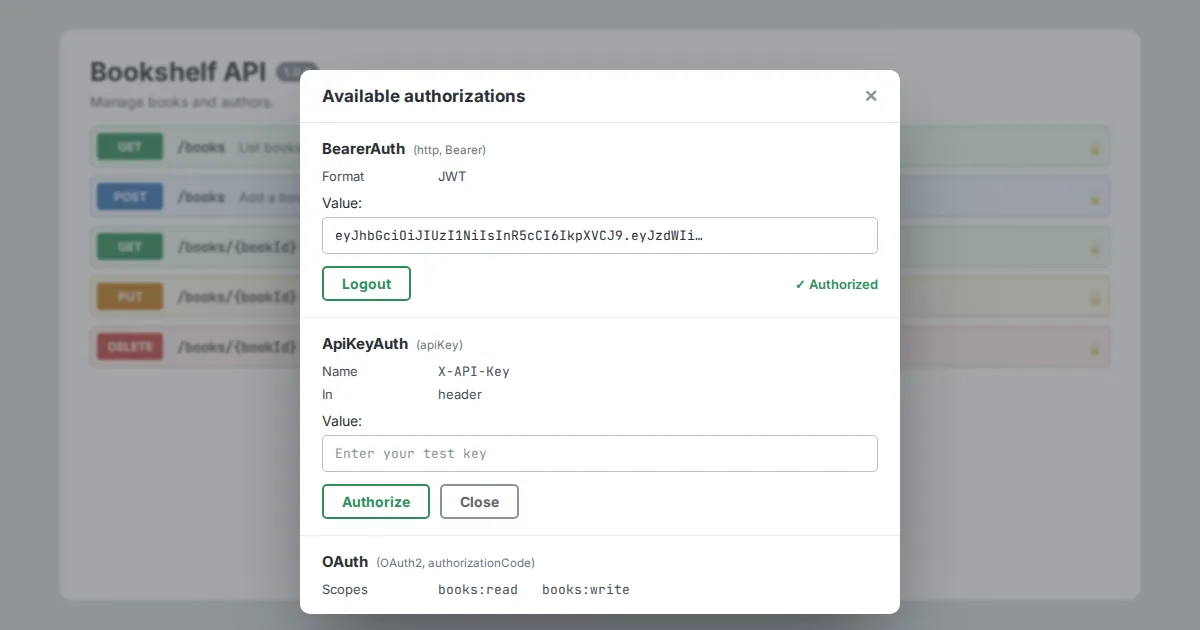
Read fullAPI keys, bearer tokens and OAuth 2.0 flows, described properly so the preview can send authenticated test requests.
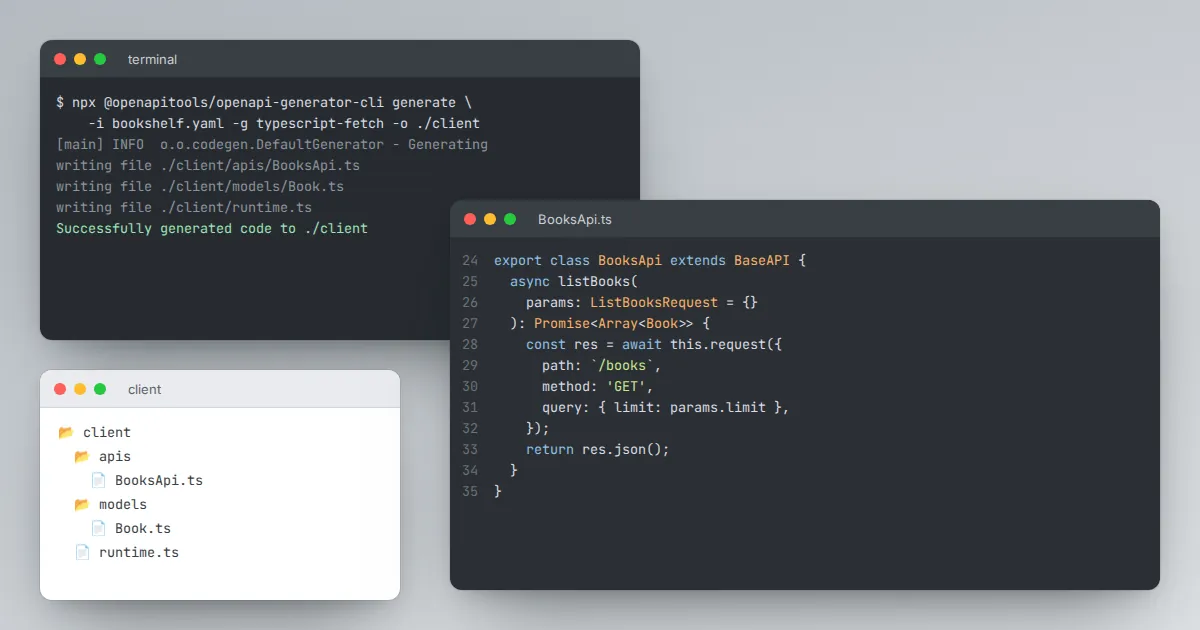
Read fullA validated description can become working client libraries and server skeletons. Here is how to do it without regrets.
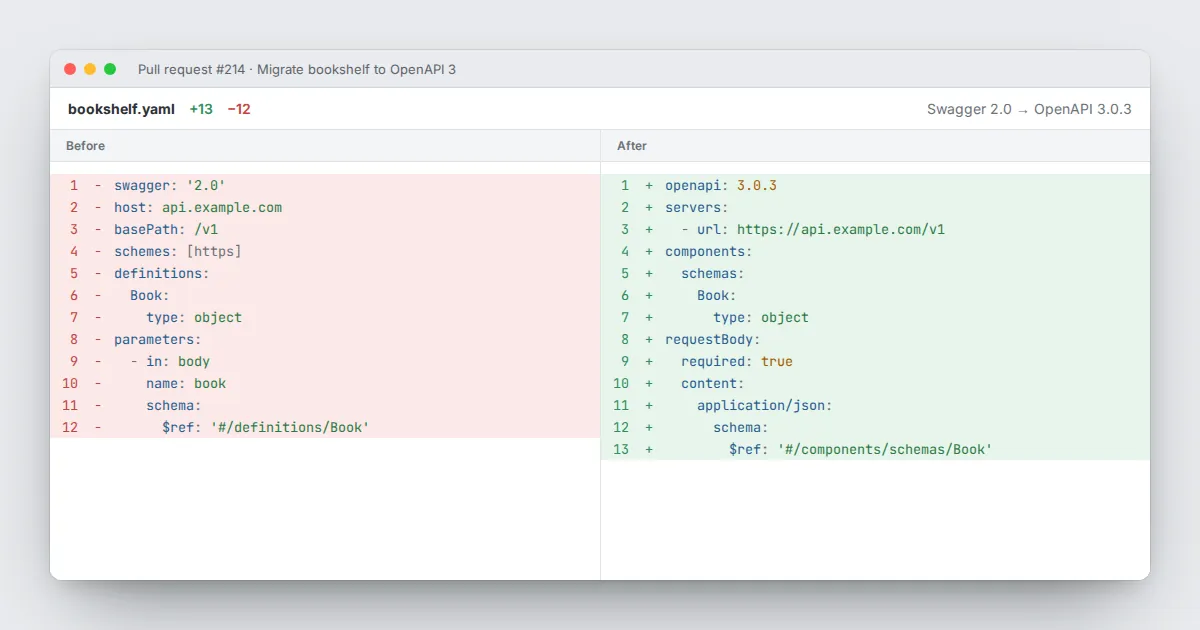
Read fullWhat actually changes when you move an old Swagger 2.0 file to OpenAPI 3, and how to check the converted result.
Read full